
Today I am digging a little deeper into my ascent, into a part of my ancestors’ life 🙂 ❤
As mentioned in Me, my Roots, I am native from the city of Dapaong, North Togo. And as being of the Gurma Nation, we are descending from the Mossi Kingdom(ref). There are different online sources about the Mossi Kingdom. The Mossi Kingdom was created around the 12th century, with its territory mapped as stated in Me, my Roots. And being so, those different countries may have descending nations from the Mossi Kingdom and the Gurma Nation.
The Mossi Kingdom: How was it built, Who Built it?’Ça mange quoi à l’hiver’’ like Quebecers would say (It is an expression) 😉 lol!!
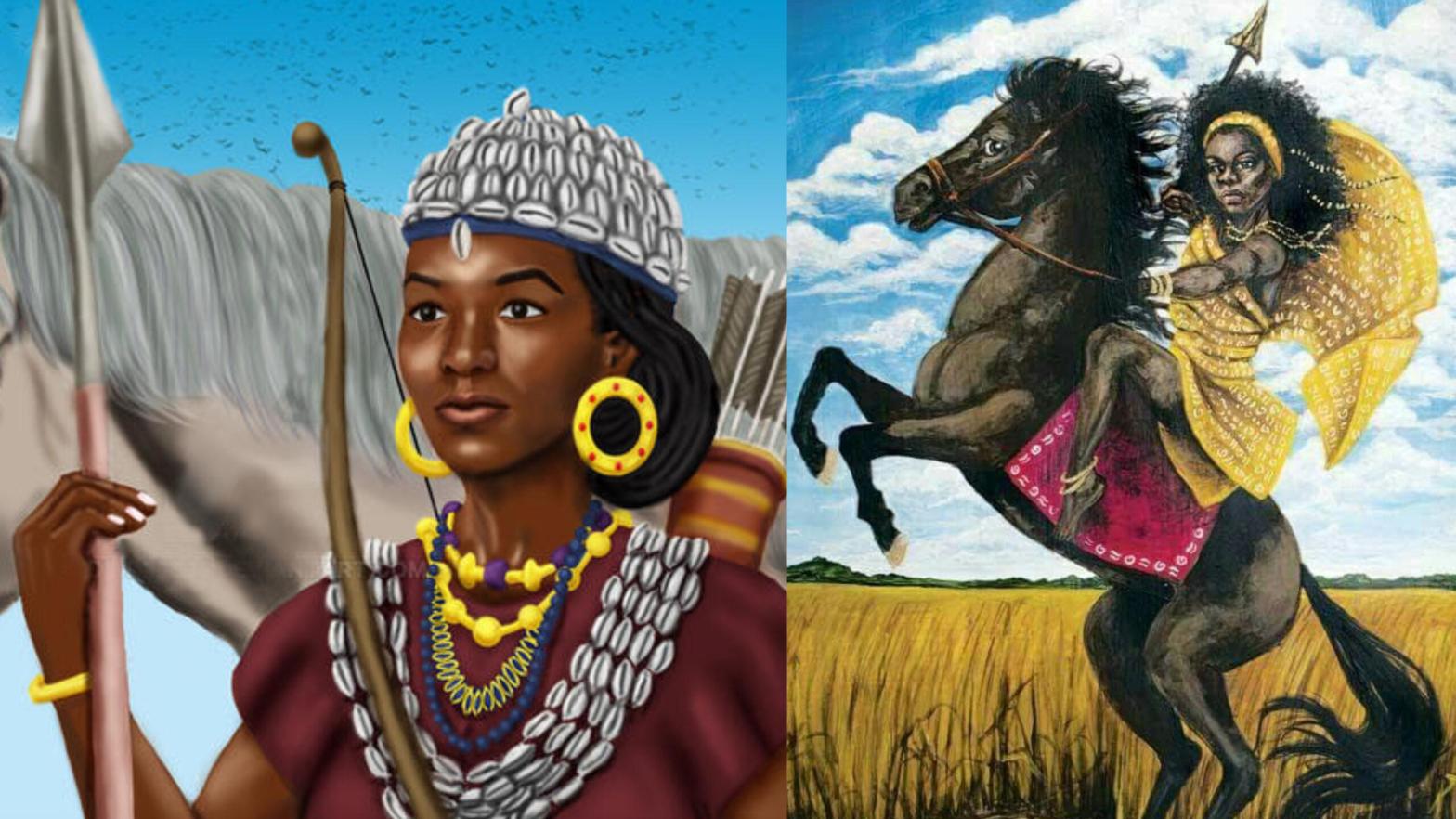
Through history, I have learned that the Mossi Kingdom creation is closely intrinsically/unequivocally linked to the existence, life and legend of YENNENGA, the Dagomba Princess. WHO IS YENNENGA?
She grew up in the city of Gambaga, located in nowadays Ghana (Map) and was the first born child of King Nedega reigning on Dagomba and Mamproussi people. Growing up she was very passionate about animals, especially horses. Unfortunately the tradition in the Kingdom only allowed men to ride horses. Refusing to abide by that tradition, she succeeded in convincing her dad to let her ride horses to the dislike of some chiefs. Even though her dad was still hoping to have a male heir, he had always been proud of his daughter who had a lot of persona. Therefore YENNENGA grew up alongside the Kingdom warriors and, being very skilled, she came to be in command of the king’s cavalry, defending and conquering territories. History says that the King valued his daughter so much that he did not want to give her hand in marriage. And from here, there are 2 different versions of what happened next in the princess life.
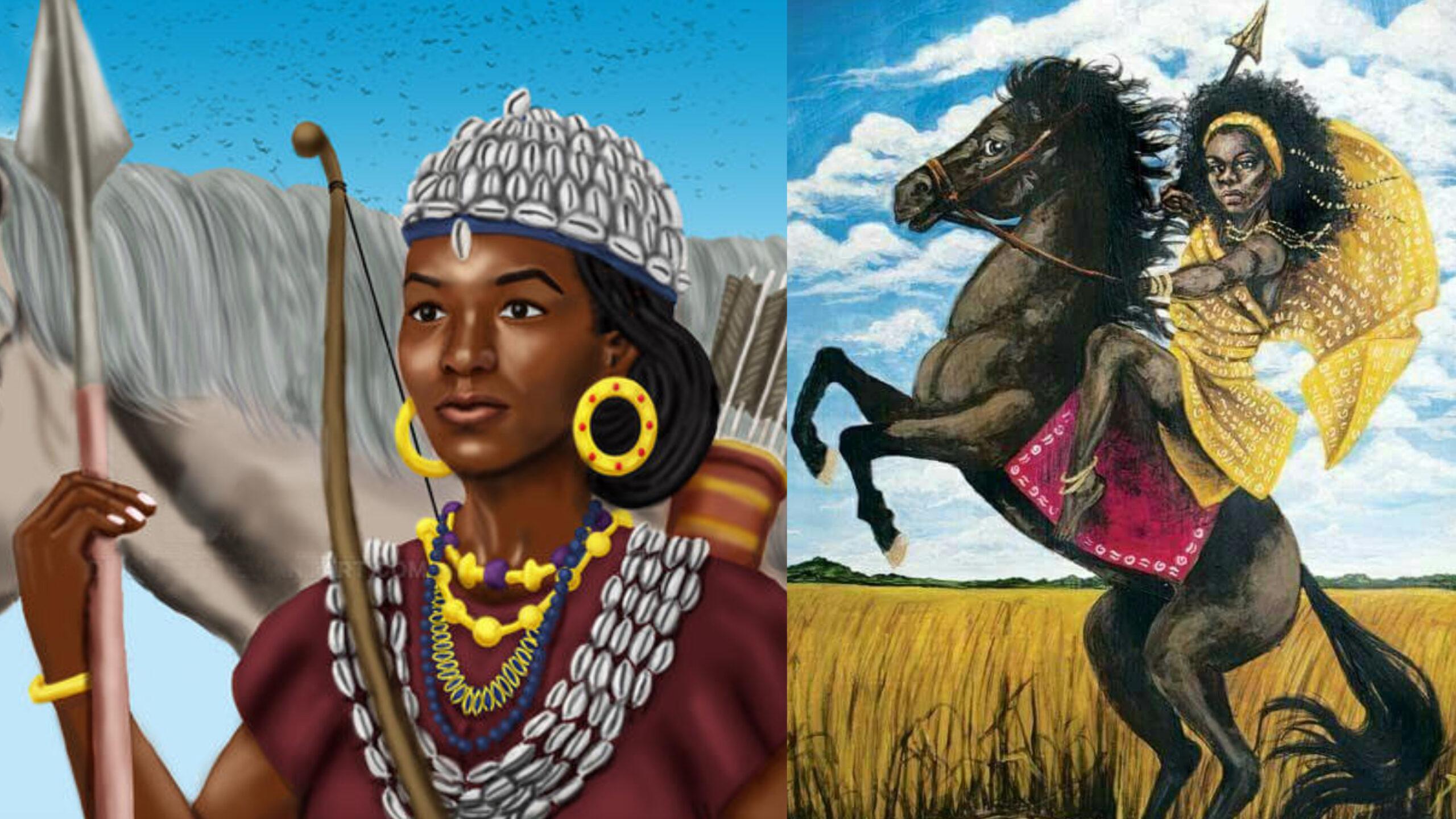
The first version states that YENNENGA was not happy with that decision of her father and to make her point, she grew a field of okra and let it waste away, implying to her father that by not wanting her to marry, he was wasting her away like the okra field. Angry with her daughter giving him a lesson, he locked her in a room to punish her. But night came, she escaped on her white horse, leading her to meet Prince Rialé known for his elephant hunting skills, also escaping from his royal duties. From that meeting, the Empire Morhosi, later known as Mossi Empire, was built.
The second version states that it was actually the mother of YENNENGA who made the analogy of the okra field to the King who finally decided to change his decision. So it is said that during the capture of a war chief after a Malinké attack, the princess’s horse started a wild race and threw her in the river. And that’s when she met Prince Rialé who had come to her rescue.
Nevertheless, both versions still agree that Princess YENNENGA is the founding mother of the Mossi nation.
In acknowledgment/recognition of Princess YENNENGA greatness by Mossi nation and citizens of Burkina Faso, a statue in her honor was built in the city of Ouagadougou (picture, no copyright). Plus, the film festival FESPACO (Pan-African Film & TV Festival of Ouagadougou) in Burkina Faso, named their first film award prize Étalon de Yennenga. And in Burkina Faso, her grave has also become a pilgrimage site.


Back in 2018, I had a school assignment to write a two page text about an African feminist, so I wrote this resume (small piece) about Princess Yennenga. There are many many African feminists (TBP) that I could have chosen from. The reasons why I decided to go with Princess Yennenga were mainly because of the actions she took and the time in which it took place.
<<Writer Chimamanda Ngozi Adichie defined a Feminist as ‘’ a person who believes in the social, political, economic equality of the sexes’’(reference). Even though I like and agree with that definition, I would also add to the definition that a female Feminist is a person who starts by questioning roles/activities that have been assigned to her/him for different reasons, which seems restricting for self or other party, in order to complete a role/activity not primarily ‘’assigned’’ to oneself gender. And so a male feminist bearing this same logic and questions, would support female feminists to do or be able to do the roles/activities not ‘’assigned’’ primarily to a/the female gender. So in my eyes, Princess Yennenga’s actions can definitely be identified as feminist actions but not solely limited to or perceived as ‘’feminist’’ actions. This brings me to the first reason for my choice: the fact that she refused to abide by the tradition restricting her to do activities, we can assume, felt right for her. The second reason is the time in which she did those actions; before or during the 11th century(to be confirmed later). So through her life, her story and legend, what I take from it, is that she stood up for HER rights, for her role in society as SHE viewed it and those ”feminist” actions led her, along with the factors that played within her context, to building a Kingdom and nation.>>
Years before this text, I genuinely asked myself if there were African Female feminists only after the colonization period? Were there no women who had rejected a gender-based assigned role/activity restriction before colonizers encounter(the C-encounter), no ”feminist” acts at all? The reasons why I got to ask myself those questions was because of the impression I had and felt was that Western had brought ‘’Feminism’’ to Africa and that was ”THE” statement or A ”fact”. So when I initially found out about Princess YENNENGA’s life story, it clearly helped me answer these questions: so NO there were ”feminist” acts taken in the 11th century, maybe before, by women, and maybe men too, that will fit into the 18th century word ‘’feminists’’ and its definition ( Personally I like the one by Chimamanda Ngozi Adichie). And YES there were African Women rejecting gender-based restrictions and limitations, way before the 15th century, all along until today and I believe will continue to be so.
As I believe Thoughts precede Acts and Acts may also precede the naming or the defining of those acts.
Although a counter argument to my conclusion and one I can agree with for now (until known new information), is that Princess Yennenga’s life story doesn’t showcase the existence of feminism as an organized structure in Africa before the latest/15th century C-encounter, but showcases rather individual ”feminism” acts. On top of that, it would be quite, very much impossible to know for certain if she was ‘’a person who believed in the social, political, economic equality of the sexes’’ or up to what degree she would have been or not have been a feminist, or if she would have defined/identified herself as a feminist or not and what feminism statement she would have agreed with or not etc…
(Further reflexional Question): Did Feminism exist in Africa as an organized structure before the latest/15th century C-Encounter? (questioning emoji)?
In other words, even if not possible, I would have been and am interested to know if she believed that other women in her time should also be socially, politically and economically equal to men just as she proved for herself to be, assuming then that women were not during that time. (Note: this question assumes that they were not at that time)
Thesis: Yes Feminism existed in Africa as an organized structure before the latest/15th century C-Encounter.
Hint for research on my thesis: Matriarchal societies in Africa (🤓📙📚😊) (TBP)
To the Readers: What did you think about this post? What is your take and perspective from it? Share your thoughts in order to enrich the continued reflexional process. Thank you 🙂
Balg Bonciɛnn 🙏🏿
Thank you for reading, caring and sharing
Min Diɛ b – Yendu fin yen Balg
Disclaimer: The blog expresses MY person, not utterly a Whole community, I personally affirm belonging to or utterly a Whole community other people associate me with.
© Moba Maam 2021- 2024. Unauthorized use and/or duplication of this material without express and written permission from this blog’s author and/or owner is strictly prohibited. Excerpts and links may be used, provided that full and clear credit is given to Moba Maam with appropriate and specific direction to the original content.
Moba Maam reserves the right to change the terms and conditions hereof at any time.
Terms of services and privacy policy with WordPress.
 Moba Maam
